7 Warning Signs Your Brisbane Roof Might Leak in the Next Downpour
Brisbane’s climate brings with it unique challenges for homeowners, particularly when it comes to roof maintenance. With periods of intense rainfall followed by scorching sunshine, your roof endures significant stress throughout the year. Being able to identify potential leak points before they become serious problems can save you thousands in repair costs and prevent extensive water damage to your home’s interior.
This article focuses on roof leak detection Brisbane homeowners should master, highlighting seven critical warning signs that your roof might be vulnerable during the next heavy downpour. By understanding these indicators and implementing a proactive approach to prevent roof leaks Brisbane properties commonly experience, you can protect your home and maintain your peace of mind during Queensland’s unpredictable weather patterns.
Warning Sign #1: Damaged or Missing Roof Tiles
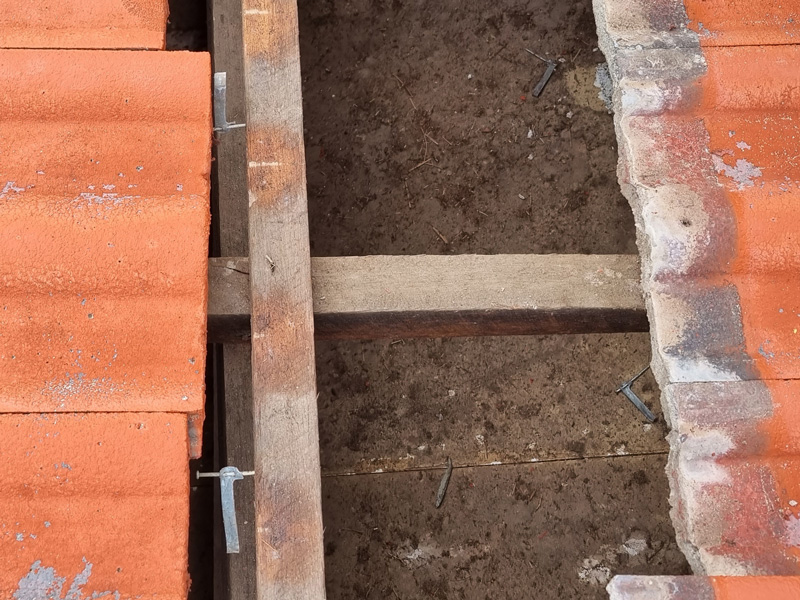
One of the most visible indicators of potential roof leaks is damaged or missing roof tiles. Intense summer heat, occasional hailstorms, and strong winds can crack, chip, or completely dislodge tiles from your roof.

What to Look For:
- Cracked Tiles: Even hairline cracks can allow water to penetrate during heavy rainfall
- Chipped Corners: Damaged edges compromise the interlocking system that keeps water out
- Missing Tiles: Creates obvious entry points for water
- Shifted Tiles: Tiles that have moved out of alignment can create gaps where water can enter
Why It Matters:
Roof tiles are your home’s first line of defense against rainfall. Each tile is designed to channel water down to your gutters, working together in an interlocking system.
When even a single tile is compromised, water can find its way underneath and eventually into your home. Professional roof leak detection Brisbane services often start with a thorough tile inspection for this very reason.
Warning Sign #2: Deteriorated Ridge Capping
The ridge capping (the tiles or material that run along the peak of your roof) is particularly vulnerable to weather damage and is a common source of leaks in Brisbane homes.
What to Look For:
- Cracked or Crumbling Mortar: The Polymer pointing between ridge caps often deteriorates first
- Loose Ridge Caps: Ridge tiles that move when gently pressed
- Vegetation Growth: Moss or small plants growing between ridge caps indicates moisture retention
- Visible Gaps: Any space between ridge caps and the main roof surface
Why It Matters:
Ridge capping is installed at the highest and most exposed part of your roof, making it susceptible to damage from all weather conditions. The pointing or bedding that secures ridge caps can deteriorate over time, especially in Brisbane’s climate where hot, dry periods alternate with heavy rainfall.

When this happens, water can easily enter through the roof’s highest point and travel down through your home. Regular inspection and maintenance of ridge capping is essential to prevent roof leaks Brisbane homes frequently experience during the wet season.
Warning Sign #3: Blocked or Damaged Gutters and Downpipes
Your gutter system plays a crucial role in directing water away from your roof and home foundation. When gutters become blocked or damaged, they can contribute significantly to roof leaks.

What to Look For:
- Overflowing Gutters: Water spilling over the sides during rainfall
- Sagging Gutter Sections: Indicates water pooling and potential blockages
- Visible Debris: Leaves, twigs, and sediment buildup
- Water Marks or Rust: Staining on the exterior walls below gutters
- Disconnected Downpipes: Gaps in the drainage system
Why It Matters:
Blocked gutters cause water to back up and pool on your roof, increasing the likelihood of water finding its way through small cracks or joints. In Brisbane’s tropical downpours, this problem is magnified as large volumes of water can quickly overwhelm blocked drainage systems.
Additionally, the weight of water-filled gutters can pull away from the roof edge, creating gaps where water can enter the roof cavity. Effective roof leak detection Brisbane experts always include gutter assessment as part of their inspection process.
Warning Sign #4: Damaged or Deteriorated Flashing
Flashing refers to the thin metal strips installed at roof joints, around chimneys, skylights, and vents to create a water-resistant barrier. Damaged flashing is a common culprit behind many roof leaks.
What to Look For:
- Rust or Corrosion: Particularly common in Brisbane’s coastal areas due to salt exposure
- Lifted or Separated Flashing: Gaps between the flashing and the roof surface
- Cracked Sealant: Deterioration of the waterproof seal around flashing
- Missing Sections: Areas where flashing has become completely detached

Why It Matters:
Flashing is installed in the most vulnerable areas of your roof – the joints and transitions where water penetration is most likely. In Brisbane’s climate, the combination of intense UV exposure and heavy rainfall can accelerate the deterioration of flashing and the sealants used to secure it. When flashing fails, water can quickly find its way into your home, often traveling along rafters or internal structures before becoming visible inside. Professional roof leak detection Brisbane services use specialized techniques to assess flashing integrity, as these problems can be difficult to spot from ground level.
Warning Sign #5: Interior Water Stains or Mold Growth
Sometimes the most telling signs of roof leaks appear inside your home rather than on the roof itself.

What to Look For:
- Ceiling Discoloration: Yellow, brown, or water-ring stains on ceilings
- Peeling Paint or Bubbling Plaster: Indicates moisture penetration
- Damp Spots: Areas that feel moist to the touch, particularly after rainfall
- Mold or Mildew: Black, green, or gray spots on ceilings or upper walls
- Musty Odors: Persistent damp smells, especially in upper rooms or attic spaces
Why It Matters:
Interior water stains are definitive evidence that water has already found its way through your roof. In Brisbane’s climate, where humidity levels are often high, even small leaks can create perfect conditions for mold growth, which can affect your family’s health and cause further damage to your home’s structure. While interior signs indicate that leaking has already begun, identifying these symptoms early can help minimize damage and repair costs. Implementing proper roof leak detection Brisbane homeowners trust often involves both external and internal home inspections.
Warning Sign #6: Granules in Gutters or Downpipes
If you have an asphalt shingle roof or certain types of metal roofing with granulated coating, finding granules in your gutters or at downpipe outlets is a warning sign that shouldn’t be ignored.
What to Look For:
- Gritty Particles: Small, sandy granules collecting in gutters
- Bald Spots on Roofing: Areas where protective granules have worn away
- Uneven Coloration: Patchy appearance on roof surface
- Granule Buildup: Accumulation at downpipe outlets or on the ground below
Why It Matters:
Granules serve as a protective layer for many roofing materials, shielding them from UV damage and enhancing water resistance. When these granules begin to wash away – which happens naturally over time but accelerates as roofing ages – the underlying material becomes more vulnerable to water penetration.

In Brisbane’s harsh sun and heavy downpours, this deterioration can progress quickly once it begins. Monitoring granule loss is an important part of early roof leak detection Brisbane homeowners can perform themselves during routine gutter cleaning.
Warning Sign #7: Aging Roof Materials
All roofing materials have a finite lifespan, and simply knowing the age of your roof can be a warning sign in itself.
What to Look For:
- Curling or Buckling Shingles: Edges turning up or surfaces warping
- Cracked Rubber Boots: Deterioration of seals around vent pipes
- Brittle or Dry Materials: Roofing that has lost its flexibility
- Widespread Discoloration: General fading or uneven coloring across the roof
- Previous Patch Repairs: Multiple areas of visible repairs indicate systemic issues
Why It Matters:
In Brisbane’s climate, roofing materials age faster than in more temperate regions. The combination of intense UV exposure, high humidity, and seasonal heavy rainfall accelerates the breakdown of roofing materials.
Most tile roofs last 20-30 years, while metal roofing typically lasts 25-50 years depending on quality and maintenance. As your roof approaches or exceeds these timeframes, the risk of leaks increases significantly regardless of visible damage. Understanding your roof’s age and condition is fundamental to prevent roof leaks Brisbane homeowners should prioritize before the wet season arrives.
Seasonal Roof Inspection Checklist for Queensland’s Climate
To effectively prevent roof leaks Brisbane homeowners should conduct seasonal inspections tailored to Queensland’s unique climate patterns. Here’s a comprehensive checklist organized by season:
Pre-Wet Season (September-October)
- Clear all gutters, downpipes, and roof valleys of debris
- Check and secure loose roof tiles or metal sheets
- Inspect and repair ridge capping and pointing
- Test downpipes with water to ensure proper flow
- Trim overhanging branches that could damage roof during storms
- Check flashing around all roof penetrations
- Inspect ceiling cavity for signs of previous leaks or light penetration
Post-Wet Season (April-May)
- Assess for storm damage to tiles, flashing, and gutters
- Check for water stains in ceiling cavity
- Clear gutters of wet season debris buildup
- Inspect for mold growth in roof cavity
- Check roof ventilation is functioning properly
- Assess any emergency repairs made during wet season
Winter Preparation (May-June)
- Check roof insulation is dry and properly positioned
- Seal any gaps that might allow water entry
- Inspect roof sarking (underlay) if accessible
- Check for and repair any rust on metal components
- Ensure roof ventilation is adequate to prevent condensation
Summer Preparation (August-September)
- Inspect for heat damage to roofing materials
- Check sealants around roof penetrations for UV deterioration
- Assess expansion and contraction damage to flashing
- Verify integrity of roof anchoring system before storm season
- Consider applying protective coatings if needed
Implementing this seasonal approach to roof leak detection Brisbane climate demands will help you stay ahead of potential problems and extend the life of your roofing system.
Professional Roof Leak Detection Methods
While homeowner inspections are valuable, professional roof leak detection Brisbane services employ specialized techniques to identify potential leaks that might not be visible to the untrained eye:

Thermal Imaging
Professional inspectors use infrared cameras to detect temperature differences that indicate water intrusion or insulation that has become wet.
This non-invasive technique can pinpoint leak sources that would otherwise remain hidden.

Drone Inspections
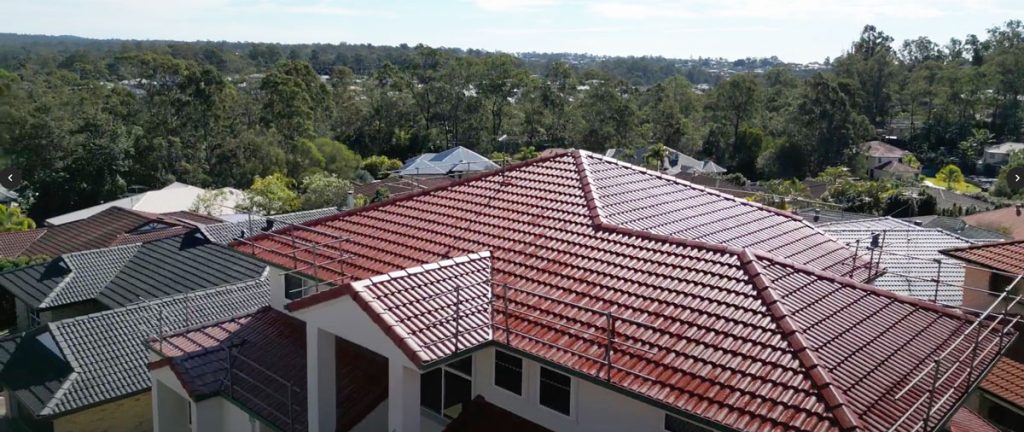
Especially useful for large or complex roofs, drone technology provides detailed aerial imagery of roof conditions without the safety risks of physical access.
Water Testing
Controlled application of water to specific roof areas while monitoring for interior penetration can precisely identify leak points.

Electronic Leak Detection
For flat or low-slope roofs, electronic field vector mapping can locate breaches in the waterproof membrane with pinpoint accuracy.
Moisture Meters
These specialized tools can detect elevated moisture levels in building materials before visible damage occurs, allowing for early intervention.
When to Call the Professionals
While regular DIY inspections are important, certain situations warrant professional roof leak detection Brisbane services:
- After severe storms or hail events
- When buying or selling a property
- If your roof is over 15 years old
- When interior water stains appear
- If you notice multiple warning signs
- Before major renovations
- When preparing for the wet season after a long dry spell
Professional inspections typically cost between $200-$500 depending on roof size and complexity, but this investment can save thousands in potential water damage repairs.
Preventative Measures to Protect Your Brisbane Home
Beyond detection, implementing these preventative strategies will help prevent roof leaks Brisbane homes commonly experience:
Regular Maintenance
- Schedule professional roof inspections annually
- Clean gutters quarterly (more frequently if your property has overhanging trees)
- Replace damaged tiles or metal sheets promptly
- Repoint ridge capping every 5-10 years
Protective Treatments
- Apply appropriate sealants to vulnerable areas
- Consider waterproof membranes for flat or low-pitch sections
- Invest in quality gutter guards to prevent blockages
- Apply rust protection to metal components
Structural Improvements
- Ensure adequate roof ventilation to reduce condensation
- Verify roof pitch is appropriate for your roofing material
- Install additional drainage for flat roof sections
- Upgrade to cyclone-rated roof tie-downs in vulnerable areas
Conclusion
The key to avoiding costly water damage in Brisbane’s unpredictable climate is early detection and proactive maintenance. By familiarizing yourself with these seven warning signs and implementing regular inspections, you can identify potential problems before they result in significant damage to your home.
Remember that effective roof leak detection Brisbane homeowners rely on combines both DIY vigilance and periodic professional assessment. The small investment in preventative maintenance and early repairs will save you considerably more in potential restoration costs while protecting your home’s structural integrity and your family’s comfort.
Don’t wait until water is dripping through your ceiling to think about your roof’s condition. Use this guide to implement a proactive approach to prevent roof leaks Brisbane weather conditions frequently cause, and enjoy peace of mind during even the heaviest downpours.
For professional assistance with roof leak detection, repairs, or a comprehensive roof assessment, contact Roofshield today to schedule an inspection with our experienced team.
Additional Resources:
- Learn more about our roof repairs services for Brisbane homes
- Discover how to prepare your roof for storm season with our Cyclone Alfred Prep guide
- Find out about common issues with Leaking Roof Tile Clips
- Explore comprehensive Roof Restoration Brisbane solutions
- Read about Understanding Roof Rust and how to prevent it