Toowoomba Roof Restoration and Repairs: A Practical Homeowner’s Guide
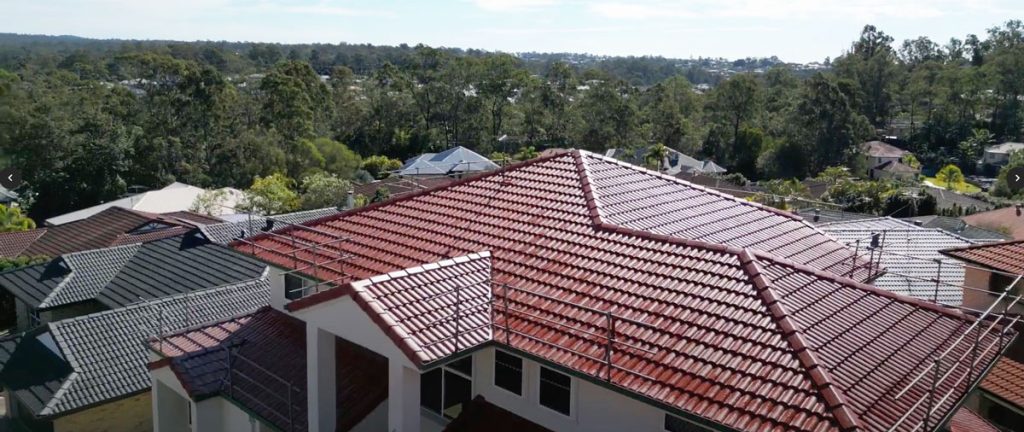
Toowoomba roof restoration, roof repairs and roof painting help protect local homes from storms, hail, strong UV exposure, temperature changes and everyday wear.
However, these services are not interchangeable. A repair addresses a particular fault. Painting renews a properly prepared roof surface. A complete restoration combines cleaning, repairs, preparation and protective coatings.
This guide explains how each option works, when it may be suitable and what Toowoomba homeowners should check before accepting a roofing quote.

Why Toowoomba Roofs Need Regular Attention
Roofs in Toowoomba and across the Darling Downs face demanding conditions throughout the year. Common causes of deterioration include:
- Strong sunlight and UV exposure
- Hail, wind and storm damage
- Heavy rain entering through small defects
- Cool winters and regular temperature changes
- Moss, lichen and dirt accumulating on shaded areas
- Expansion and contraction of metal roofing
- Ageing mortar around ridge caps
- Loose, damaged or corroded roofing components
Minor faults can remain unnoticed until rain enters the roof space. Water may then damage insulation, ceilings, plaster, timber and electrical fittings.
A roof should therefore be checked after a major storm and whenever signs of deterioration appear. Roofshield also recommends periodic professional inspections, particularly for older roofs or properties exposed to severe weather.
Roof Repairs, Restoration or Replacement: What Is the Difference?
Choosing the right service depends on the condition of the entire roof—not just how it looks from the street.
Roof Repairs
Roof repairs target specific problems, such as:
- A small number of cracked or displaced tiles
- A localised roof leak
- Loose or deteriorated ridge capping
- Damaged flashing
- Loose metal sheets
- Rusted screws or failed screw seals
- A leaking valley
- Minor storm or hail damage
Repairs are generally appropriate when the surrounding roof remains sound. Acting early may prevent a relatively small defect from becoming a larger and more expensive problem.
Read more about professional roof repair services.
Roof Restoration
A restoration treats widespread surface deterioration while retaining the existing roof. Depending on its material and condition, the work may include:
- A detailed inspection
- Replacement of broken tiles
- Repairs to minor defects
- Re-bedding or repointing ridge caps where required
- Pressure cleaning
- Treatment of moss or lichen
- Priming or sealing
- Application of protective colour coatings
Restoration may be suitable when a roof is weathered, faded or porous but remains structurally serviceable.
Learn more about Roofshield’s roof restoration services in Toowoomba.
Roof Replacement
Replacement may be the better option when the roof has extensive corrosion, widespread material failure, serious structural movement or damage that cannot be repaired economically.
Painting cannot correct structural problems. A reputable contractor should inspect the roof first and explain whether repair, restoration or replacement provides the most sensible long-term result.
Warning Signs That Your Roof Needs Attention
Arrange an inspection if you notice any of the following:
- Water stains on ceilings or walls
- Dripping during or after rain
- Cracked, chipped, slipped or missing tiles
- Loose or cracked ridge capping
- Rust around screws, joins or metal sheets
- Flaking, peeling or badly faded coatings
- Moss or lichen covering large areas
- Debris collecting in valleys
- Sagging sections or an uneven roofline
- Damp smells or mould inside the roof space
- Guttering that contains pieces of mortar or tile
- A sudden problem following hail or strong winds
A leak may appear inside the house some distance from the entry point because water can travel along rafters, battens or insulation. Finding the visible stain does not necessarily identify the roof defect.
Our guide to identifying and fixing roof leaks after heavy rain explains common leak sources and why prompt investigation matters.

Common Tile Roof Repairs in Toowoomba
Concrete and terracotta tile roofs can often be repaired or restored, provided the tiles and supporting structure are in serviceable condition.
Replacing Broken or Displaced Tiles
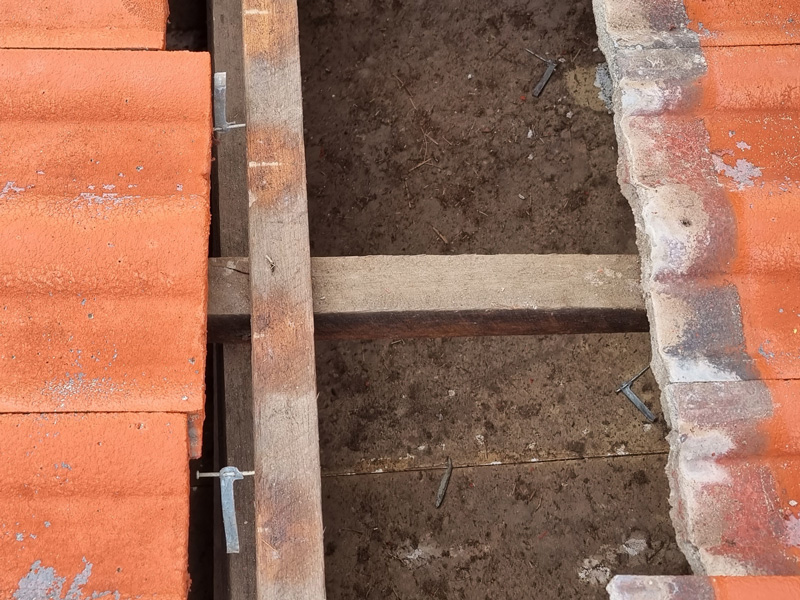
A cracked or displaced tile can allow wind-driven rain beneath the roof covering. Damaged tiles should be replaced with compatible tiles and the surrounding area checked for additional faults.
The inspection should also consider why the tile failed. Possible causes include hail, foot traffic, movement, impact or incorrect installation.
Re-bedding and Repointing Ridge Caps
Ridge caps sit along the peaks and hips of a tiled roof. Bedding supports them, while pointing seals the exposed edges.
Common warning signs include:
-
Cracked or missing mortar
-
Loose ridge caps
-
Mortar pieces in the gutters
-
Gaps along hips and ridges
Depending on the condition, sections may need repointing or the ridge caps may need to be lifted and re-bedded before new pointing is applied.
Repairing Valleys and Flashings
Valleys carry large volumes of rainwater where two roof sections meet. Leaves, damaged tiles, corrosion or incorrectly positioned materials can interfere with drainage and cause leaks.
Flashings around walls, chimneys, vents and roof penetrations should also be checked. Applying sealant over the visible area is not always a lasting repair; the underlying detail must be assessed.
Common Metal Roof Repairs in Toowoomba
Metal roofing presents a different set of problems from tiled roofing. A professional inspection may identify:
-
Loose, damaged or backed-out screws
-
Perished sealing washers
-
Surface rust or corrosion
-
Loose laps and joins
-
Damaged flashings
-
Dented or punctured sheets
-
Failed sealant around penetrations
-
Inadequate drainage or ponding
Minor surface corrosion may be treatable after proper preparation. Heavily corroded or structurally damaged sheets may require replacement.
Metal expands and contracts as temperatures change, so coatings, fasteners and repair materials must be suitable for that movement.
If you are comparing roofing materials, see our Colorbond and tile roof restoration guide.

What Does a Toowoomba Roof Restoration Involve?
The exact process should be adjusted to the roof material and its condition. A typical restoration includes the following stages.
1. Roof Inspection
The contractor checks the roof covering, ridge capping, valleys, flashings, penetrations and visible signs of leaking or movement.
This assessment should determine:
- Whether the roof can be restored
- Which repairs are necessary
- What preparation and coating system is suitable
- Whether any areas require replacement
- What access and height-safety measures are needed
2. Written Scope and Quote
The quote should clearly identify the work included. It should not simply state “restore and paint roof.”
Look for details such as:
-
Number of broken tiles included
-
Repointing or re-bedding requirements
-
Metal repairs and rust treatment
-
Cleaning method
-
Primer or sealer
-
Number and type of colour coats
-
Access and safety equipment
-
Gutter and property protection
-
Waste removal
-
Warranty terms
-
GST and total price
3. Repairs Before Painting
Broken tiles, loose ridge caps, flashing defects and metal faults must be addressed before the coating system is applied.
Roof paint is not a leak repair. Coating over damaged materials may improve their appearance temporarily, but it will not correct the cause of water entry.
4. Roof Cleaning
Pressure cleaning removes dirt, biological growth, chalking and loose coating material. This creates a clean surface for inspection and coating adhesion.
The contractor should control runoff and protect surrounding walls, windows, solar panels, gutters, pools and landscaping where necessary.
5. Surface Treatment and Preparation
Preparation depends on the roofing material.
Concrete tiles may require an appropriate primer or sealer to stabilise the surface and promote adhesion. Metal roofs may need corrosion removed and bare areas treated with a compatible metal primer.
Terracotta tiles require careful assessment because their surface and previous treatments affect whether coating is appropriate.
6. Protective Roof Coatings
Once the roof is clean, repaired and dry, the specified coating system is applied. The number of coats and products should match the substrate and manufacturer’s requirements.
Roofshield manufactures roof coating systems in Australia for local conditions. More information is available on our roof coating systems page.
7. Final Inspection and Clean-Up
The completed roof should be checked for coating coverage, repaired areas, overspray and general finish. The site should then be cleaned and any remaining issues documented.

Roof Painting Is More Than a Colour Change
Professional roof painting depends heavily on preparation. Applying paint to a dirty, damp, unstable or unsuitable surface can lead to poor adhesion, blistering, flaking or an uneven finish.
A proper roof painting job should include:
-
Inspection of the roof’s condition
-
Completion of necessary repairs
-
Thorough cleaning
-
Removal or treatment of unstable coatings
-
A compatible primer or sealer
-
Suitable roof membrane coats
-
Application in appropriate weather
Painting may improve appearance and add surface protection, but it cannot repair rotten battens, serious corrosion, broken tiles or structural defects.

Choosing a Roof Colour for a Toowoomba Home
Roof colour affects more than street appeal. It should be considered alongside:
- The colour of brickwork, render and gutters
- The home’s architectural style
- Surrounding houses and landscape
- Local planning or heritage requirements
- Solar exposure
- Insulation and ventilation
- The heat absorption of darker colours
Lighter colours generally absorb less solar heat than darker colours. However, roof colour is only one part of a home’s thermal performance. Ceiling insulation, ventilation, orientation, glazing and building design also matter.
Before making a final decision, view real samples outdoors at different times of day. Colours can look very different in full sun, shade and overcast conditions.
Explore Roofshield’s roof colour range or read our detailed Queensland roof paint colour guide.
Can Moss and Lichen Damage a Roof?
Moss, algae and lichen do not automatically mean that a roof needs replacement. However, heavy growth can hold moisture, obstruct drainage and make existing defects harder to see.
Avoid scraping or pressure washing a roof without the correct equipment and method. Excessive pressure can damage tile surfaces, dislodge materials and force water under the roof covering.
Cleaning alone also will not fix:
- Cracked tiles
- Failed pointing
- Corroded metal
- Damaged flashing
- Existing leaks
The roof should be inspected so cleaning and repairs can be planned in the correct order.
What Affects the Cost of Roof Restoration in Toowoomba?
There is no reliable flat rate for every roof. The final price depends on the actual scope of work.
Important cost factors include:
- Roof area
- Tile, terracotta or metal construction
- Existing roof condition
- Number and type of repairs
- Amount of ridge capping
- Roof pitch
- Single-storey or multi-storey access
- Hips, valleys, gables and penetrations
- Existing coatings
- Rust or biological growth
- Scaffolding and height-safety requirements
- Restricted access around the property
- Primer, sealer and coating specifications
The cheapest quote may exclude preparation or use a different coating system. Compare the written scope, products, number of coats, repair allowance, licensing and warranty—not just the total.
For an accurate price, arrange an on-site assessment rather than relying on a generic online estimate.
How Long Does Roof Restoration Take?
The timeframe depends on roof size, access, repairs and weather. Cleaning, repairs, drying and coating may need to occur across separate stages.
Rain, strong wind, low temperatures or a damp roof can delay coating work. A contractor should not apply products when conditions fall outside the manufacturer’s requirements simply to meet a fixed completion date.
Ask whether the quoted timeframe includes:
- Cleaning
- Drying time
- Repairs
- Coating stages
- Weather allowances
- Final inspection
How Long Will a Restored Roof Last?
There is no single lifespan that applies to every roof. Performance depends on:
- The condition of the roof before restoration
- The quality of repairs and preparation
- Product compatibility
- Film thickness and application
- Exposure to sun, storms and trees
- Ongoing maintenance
- Drainage and ventilation
- Future foot traffic or building work
A restoration can extend the useful life of a sound roof, but it does not make old roofing materials new. Ask the contractor to explain the expected performance and provide the warranty conditions in writing.
Questions to Ask a Toowoomba Roofing Contractor
Before approving work, ask:
- Are you appropriately licensed and insured?
- Will you inspect the roof before quoting?
- Is the roof suitable for restoration?
- What repairs are included?
- Which products will be used?
- Is a primer or sealer included?
- How many coating applications are specified?
- How will you protect gutters, walls, solar panels and landscaping?
- What height-safety equipment will be used?
- Who completes the work?
- What happens if additional damage is discovered?
- What workmanship and product warranties apply?
- Are the warranty exclusions available in writing?
- Does the quoted price include GST and clean-up?
Roofshield’s Queensland building licence number is QBCC 15320149. Homeowners can verify a contractor’s current licence details before signing a contract.
What to Do After Hail or Storm Damage
After a severe Toowoomba storm:
-
Stay off the roof.
-
Check ceilings and rooms for water entry.
-
Move belongings away from leaks if it is safe.
-
Use containers to collect dripping water.
-
Photograph visible internal and ground-level damage.
-
Contact a qualified roofer for an inspection.
-
Notify your insurer if the damage may be covered.
-
Keep quotes, reports, photographs and invoices.
Do not climb onto a wet, steep or damaged roof. Hail damage is not always visible from the ground, and cracked materials may be unsafe to walk on.
Temporary measures may limit immediate water entry, but a permanent repair should address the actual defect.
Maintaining a Restored Roof
Regular checks can help identify problems before water enters the home.
Homeowners should:
- Look for visible damage after severe storms
- Keep gutters and downpipes clear
- Trim overhanging branches where appropriate
- Watch for ceiling stains and damp smells
- Avoid unnecessary roof access
- Check that trades do not damage tiles or sheets
- Arrange professional inspections when faults appear
Solar panel, antenna and air-conditioning work can create new roof penetrations or lead to broken tiles. Inspect the surrounding area after other contractors have worked on the roof.
Frequently Asked Questions
Can a leaking roof be restored?
Possibly, but the cause of the leak must be identified first. A localised defect may only require repair. Widespread surface deterioration on a structurally sound roof may justify restoration. A roof with major structural or material failure may need replacement.
Can roof paint stop leaks?
No. Paint is a surface coating, not a substitute for repairing damaged tiles, loose ridge caps, failed flashing, corroded sheets or structural problems.
Can a hail-damaged roof be restored?
Minor, localised damage may be repairable. Widespread cracking, punctures or loss of structural integrity may require substantial replacement work. The roof must be inspected before a recommendation can be made.
Can you restore both tile and metal roofs?
Yes, many concrete tile and metal roofs can be restored if they remain structurally sound. The repair, preparation, primer and coating requirements differ for each material.
Should a roof be inspected before buying a Toowoomba home?
A building inspection is valuable, but a separate roof assessment may be worthwhile if visible defects, water stains, storm damage or previous coating work raise concerns. Ask what areas were accessible and whether the roof covering was inspected closely.
Is DIY roof restoration recommended?
Roof work involves fall risks, fragile materials, high-pressure equipment and specialised preparation. Incorrect work may damage the roof, force water into the building or affect product performance. Professional assessment and application are the safer options.
Do I need a quote if I only have one broken tile?
Yes. A visible broken tile may be the only fault, but an inspection can confirm whether nearby tiles, flashing or ridge capping are also involved. The recommended work should remain proportionate to the problem found.
How often should the roof be inspected?
There is no universal interval for every property. Roof age, material, surrounding trees and exposure all matter. Inspection after severe hail or wind is sensible, and older roofs may benefit from more frequent professional checks.
Book a Toowoomba Roof Inspection
If your roof is leaking, faded, storm-damaged or showing signs of age, Roofshield can assess whether it needs a targeted repair, a complete restoration or replacement.
We restore and repair concrete tile, terracotta and metal roofs using preparation and coating systems selected for the roof’s condition.
Contact Roofshield to request a free, no-obligation quote for roof restoration or roof repairs in Toowoomba, or call 1800 173 885.