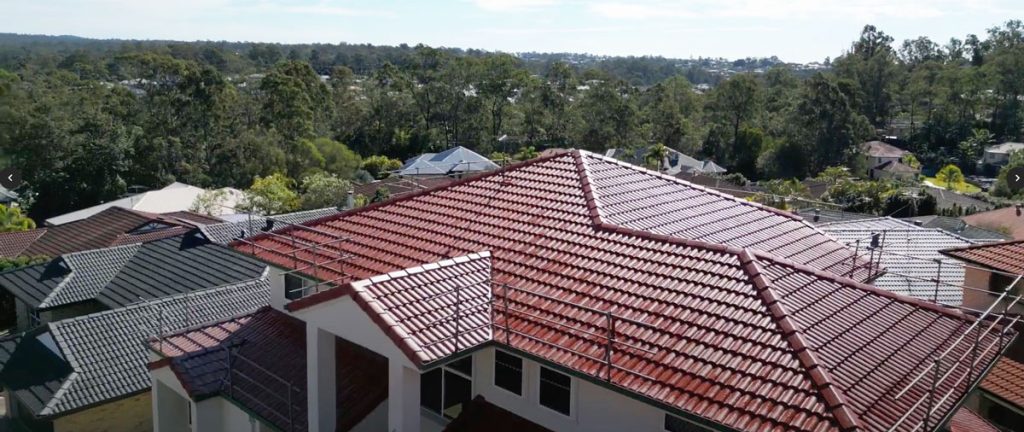
Replacing a Tile Roof with COLORBOND® in Brisbane: Repair, Restore or Re-Roof?
Yes, replacing a tile roof with COLORBOND® steel in Brisbane can be done, but replacement is not automatically necessary. A few cracked tiles, tired pointing or a faded surface do not tell the whole story. The right decision starts with the condition of your roof and the structure beneath it.
At Roofshield, we look at whether repairs or restoration can address the problems before discussing replacement. Arrange a roof assessment with our team to understand which approach suits your home.

A tile-to-metal conversion changes the roofing system, not just its colour.
Repair, restore or replace your tiled roof?
Repair when the problem is localised
An isolated broken tile, damaged flashing or deteriorated ridge pointing may need targeted attention rather than a new roof. The important step is finding the source of water entry, not simply treating the ceiling stain below it. Our Brisbane roof repair service starts with investigating the problem and identifying suitable remedial work.
Restore when the existing roof is suitable
Restoration retains the tiled roof while addressing its condition. Depending on the tile type and inspection findings, work can include replacing damaged tiles, repairing bedding and pointing, cleaning and applying a suitable coating system. Not every tile surface needs the same treatment.
Our roof restoration process explains the preparation involved. Coating is not a substitute for fixing leaks or structural defects, and a weathered appearance alone does not establish that tiles need replacing.
Re-roof when retaining the tiles is no longer appropriate
Widespread deterioration, recurring defects across the roof or difficulty sourcing compatible replacement tiles can make re-roofing worth investigating. You may also want to change the roof’s appearance as part of a renovation.
A tile-to-metal conversion removes the existing covering and installs a new roofing system. It is different from metal roof restoration, which treats an existing metal roof rather than converting a tiled one.

The condition of the existing roof should guide the choice between repairs, restoration and replacement.
What needs checking beneath the tiles?
An assessment should consider the roof frame, rafters or trusses, battens and their connections. Water damage, timber decay, movement, corrosion or previous alterations can affect the proposed work. Some conditions only become visible after tiles are removed, so the written scope should explain how unexpected findings will be assessed and communicated.
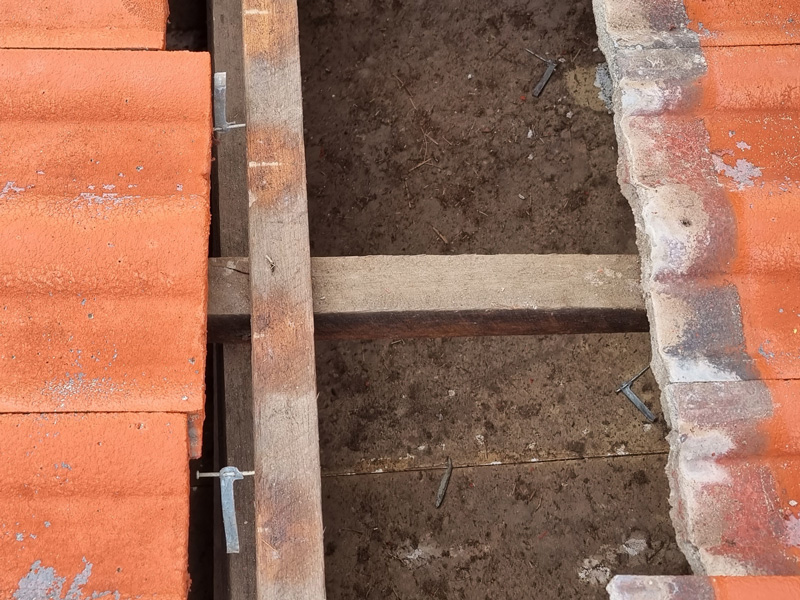
Existing tile battens cannot simply be assumed suitable for metal sheeting. Their condition, spacing and fixing need checking against the selected roofing system, with replacement or modification where required.
COLORBOND® steel roofing is lighter than concrete or terracotta tiles, but that does not remove wind tie-down requirements. The connections securing the roof to the building still need to resist wind uplift. Removing weight is not a substitute for checking those connections or resolving structural damage.
Specify the roof for your Brisbane property
COLORBOND® steel is the material, not a single roofing profile. Corrugated and other sheet profiles have different minimum pitches, support spacings and fixing requirements. Your existing roof pitch must suit the chosen profile, including lower-pitched sections over extensions or verandahs.
The specification also needs to reflect the site’s wind classification, building shape and exposure. A sheltered suburban block and an exposed elevated property may need different details. The roof should be designed for its actual conditions, not a generic claim that a product is suitable for Queensland weather.
For bayside and coastal homes in Greater Brisbane, material selection needs particular care. BlueScope distinguishes breaking surf, exposed marine and calm marine environments. Salt exposure, prevailing winds, industrial influences and areas not washed by rain can affect the choice. Standard COLORBOND® steel is not automatically suitable everywhere, and COLORBOND® Ultra steel is not a universal answer for every waterfront property.
Ask for the specified material and compatible flashings, fasteners and accessories to be confirmed against current manufacturer guidance. Our COLORBOND® versus tile restoration guide provides broader comparison context; the conversion itself needs a property-specific scope.
Confirm approvals and engineering before work starts
Have your licensed contractor and building certifier confirm which approvals, engineering documentation, inspections and final certification your proposed work requires. Requirements depend on the scope, existing structure and property constraints. Structural concerns or a tie-down design may require an engineer’s input.
Building approval is separate from council planning approval. Heritage or character controls can introduce additional considerations when changing a roof’s external appearance. Do not assume that retaining the same roofline, or installing a lighter covering, removes the need to check. Confirm who will arrange each approval and provide the required documents.

Sheets, flashings, fasteners and the supporting structure must be specified as a complete roof system.
How professional tile-to-metal replacement is staged
Before removal begins, the contractor should establish safe access, fall protection, delivery arrangements and a weather-management plan. Professional tile removal and disposal need to be coordinated with work on the exposed structure and installation of the replacement roof.
Ask how sections will be managed, what temporary weather protection is planned and what happens if the forecast changes. Brisbane rain can interrupt roofing work; no fixed completion period suits every property or season.
Once accessible, the frame and connections can be checked against the agreed design. Required batten, tie-down and structural work should be resolved before the new covering conceals it. Installation then includes the specified under-roof layers, sheeting and flashings, with careful detailing around valleys, skylights and other penetrations.
Gutters and downpipes also need assessment. Their condition, capacity, overflow provisions and connection to the new roof matter. Replacing the covering does not automatically resolve an existing drainage problem.
Plan insulation, condensation control and solar together
A conversion is an opportunity to review the roof assembly, not just choose a colour. Thermal comfort depends on roof colour, insulation, ventilation and the home’s construction. A new metal roof alone does not guarantee cooler rooms.
Condensation can form when moist air meets a cooler surface. Suitable membranes, insulation, ventilation and exhaust arrangements should be considered together for the building and climate. There is no single blanket or vent arrangement that suits every roof.
Rain noise also depends on the complete roof-and-ceiling assembly. Correctly specified and installed insulation can reduce rain noise, but it should not be presented as a promise of silence.
If solar panels are present, arrange qualified solar professionals and licensed electrical trades for the relevant isolation, removal, reconnection and checks. Coordinate panel mounts and roof penetrations with the new roofing specification.
Prepare your home and check the handover
Agree on access for deliveries and waste removal, protection for gardens and outdoor areas, and where vehicles should be parked. Keep children and pets away from work zones. Discuss noise, vibration, dust and whether working from home or remaining in the house is practical during particular stages.
Before starting, make sure the written scope identifies materials, structural allowances, drainage work, solar coordination and responsibility for approvals. Ask how changes will be documented if hidden damage is found.
At handover, request the applicable inspection and certification documents, product information, workmanship terms and maintenance guidance. Confirm that the contractor has removed debris and metal filings from the roof and gutters, and know whom to contact about any concerns.
Frequently asked questions
Can COLORBOND® roofing go straight over my tiles?
A tile-to-metal replacement involves removing the tiles and assessing the supporting roof system. Do not assume an over-roof arrangement is suitable; any alternative needs its own professional design and approval assessment.
Does a leaking tile roof always need replacing?
No. A localised leak may be repairable. The decision depends on its cause, the extent of deterioration and the condition of the roof as a whole.
Will my existing frame need strengthening?
Not necessarily. The frame, battens and connections need assessment for the proposed system. Repairs, modified tie-downs or other structural work may be required even though metal roofing is lighter.
Can I stay home during re-roofing?
Discuss this with your contractor. Access restrictions, noise, electrical work, household needs and site safety will determine what is practical. Do not assume every stage will allow normal use of the home.
Is COLORBOND® Ultra steel essential near Moreton Bay?
Not automatically. Calm marine and exposed marine conditions are assessed differently. The contractor should confirm the product selection using the property’s actual exposure and current BlueScope guidance.
Start with the condition of your roof
Whether your Brisbane home needs a targeted repair, tile restoration or a complete conversion, start with an assessment rather than a material choice. Contact Roofshield to discuss your roof’s condition and the next steps for your property.