Roofshield guides
Roof Maintenance in Brisbane: A Seasonal Checklist for Tile & Metal Roofs
Roof maintenance is easiest when it happens before a ceiling stain, a loose tile or a storm-time leak. Brisbane roofs face strong sun, humidity, heavy rain and seasonal storms, so small defects can become more noticeable when the weather changes.
A practical maintenance routine does not mean climbing onto the roof. Most useful homeowner checks can be done from ground level, from inside the roof space where it is safely accessible, or by asking a professional to inspect the areas that need roof access.
This checklist helps Brisbane and Greater Brisbane homeowners spot early warning signs on tile and metal roofs, understand when a roof may need sealing or restoration, and know when it is time to call a roofer.

Tile roof maintenance checklist
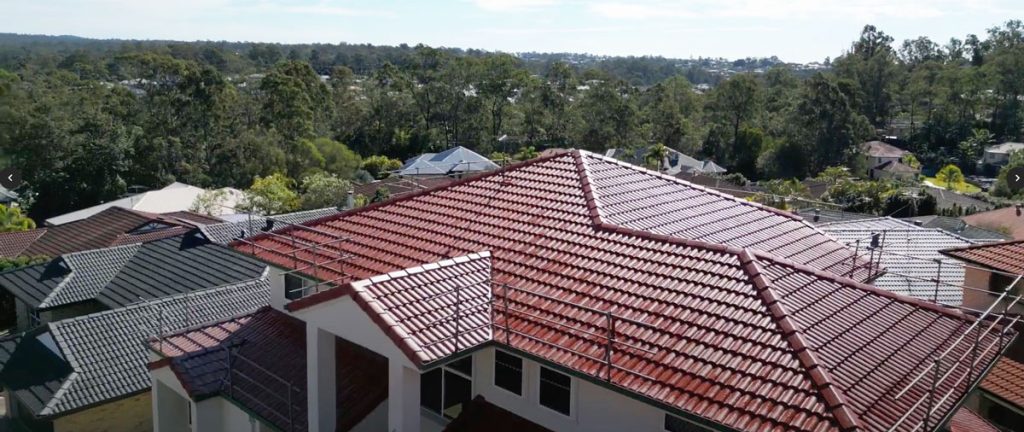
Tile roofs can last well when individual defects are found early. The most useful checks focus on the tile surface, ridge capping and water paths.
Check for cracked or displaced tiles
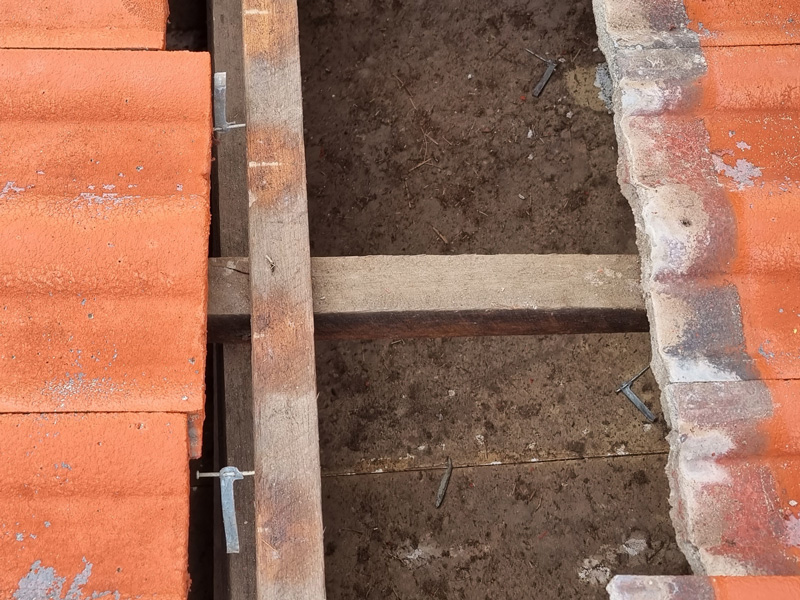
A single cracked or moved tile may allow water into the roof space, particularly during wind-driven rain. From ground level, look for irregular tile lines, visible gaps or pieces that look out of place.
Look at ridge capping
Ridge capping runs along the high points of a tiled roof. Deteriorated bedding or pointing can crack or lift over time. If it looks weathered, separated or missing in places, arrange an inspection rather than waiting for a leak.
Keep water paths clear
Leaves and debris in valleys, gutters and downpipes can hold water where it should be draining away. Keep ground-level outlet areas clear and arrange professional cleaning when roof access is required.
Watch for weathered surfaces
A dull or discoloured roof is not necessarily leaking, but it may be a sign that the coating system or tile surface needs assessment.
Metal roof maintenance checklist
Metal roofing needs a different set of checks. The focus is on corrosion, fasteners, seams, flashings and the areas around roof penetrations.
Look for rust early
Surface rust, staining around screw heads or corrosion near roof edges should not be ignored. The earlier a metal-roof issue is assessed, the more options may be available for targeted repair and restoration.
Check gutters, downpipes and drainage
Metal roofs move water quickly. Look for overflowing gutters during rain, sagging sections and water marks on fascia or external walls.
Notice changed screws, seams and flashings
Obvious staining, missing screws, lifted sheet edges or loose flashing are reasons to arrange a roof inspection. Failed screws and seals are common causes of metal-roof leaks.
Keep branches away from the roof surface
Overhanging branches can scrape coatings, drop debris into gutters and become a storm hazard. Use a qualified professional where pruning needs specialist access or is near powerlines.
The seasonal checklist: before and after storms
Use this guide before the wetter part of the year, after a significant storm and whenever you notice a change inside or outside the home.
Before storm season
- Check gutters and downpipe outlets for obvious debris and arrange cleaning where needed.
- Look for visible tile damage, loose roof components, rust or staining from the ground.
- Trim back branches that touch or sit close to the roof, using a qualified professional where appropriate.
- Check the ceiling and accessible roof space for water stains, damp insulation or a musty smell.
- Book an inspection if the roof has had recurring leaks, is showing corrosion, has deteriorated pointing or has not been assessed for several years.
After a heavy storm
- Stay off the roof.
- Check ceilings, walls and the roof space for new water stains, drips or dampness.
- Look from outside for fallen branches, displaced tiles, lifted sheets or gutter damage.
- Photograph visible damage from a safe position if it is useful for an insurer or contractor.
- If water is entering the home, contain it safely, move valuables clear and contact a roofing professional. Do not attempt a temporary roof repair during dangerous weather.
A ground-level check is the safer option. Do not climb onto a wet, steep or unfamiliar roof to investigate.
For help with an active leak, see Roofshield’s guide to roof leaks after heavy Brisbane rainfall.

A professional inspection can assess roof areas that should not be accessed casually.
What a professional roof-maintenance inspection can identify
A professional assessment can inspect areas that should not be accessed casually and may identify issues such as:
- cracked or broken tiles that cannot be seen clearly from the ground;
- failed ridge capping, valleys and flashing;
- roof penetrations that need resealing;
- rusted or deteriorated fasteners;
- corrosion around metal sheets and laps;
- gutter and downpipe defects affecting roof drainage; and
- whether the roof is a suitable candidate for a coating or restoration system.
Roofshield provides roof repairs in Brisbane, as well as restoration and coating options when a roof needs more than routine maintenance.

Keep an eye on gutters, downpipes and valleys from a safe position; arrange professional cleaning when roof access is required.
When maintenance becomes repair, sealing or restoration
Maintenance is about spotting and preventing problems. It is not a substitute for repair when the roof is already leaking or visibly damaged.
Choose targeted repairs when the issue is localised: a broken tile, loose ridge cap, failed screw, damaged flashing or small gutter defect.
Consider sealing or a restoration system when the roof is otherwise sound but has a tired, porous or weathered surface that needs cleaning, repairs, preparation and protective coating.
Discuss replacement when there is widespread material failure, severe corrosion, structural concern or recurring problems that make repeated repairs a poor long-term option.
Frequently asked questions about roof maintenance in Brisbane
How often should a Brisbane roof be checked?
A ground-level visual check before storm season and after major weather events is a sensible routine. The need for a professional inspection depends on the roof’s age, material, history and any signs of damage or leaks.
Can I clean my roof myself?
Avoid climbing onto the roof. Ground-level clearing may be safe in some circumstances, but roof cleaning and inspection involve work at height and can damage roofing materials if done incorrectly. Arrange a professional service when roof access is needed.
Is roof sealing the same as roof painting?
The terms are often used loosely. A proper roof coating or restoration system depends on the roof type and condition. Cleaning, repair and surface preparation come before any protective coating is applied.
Does roof maintenance help prevent leaks?
It can help defects be found before they become more serious. Early repair of tiles, fasteners, flashing, pointing and drainage issues reduces the chance of small problems being ignored.
Does Roofshield service Logan and Greater Brisbane?
Roofshield services Brisbane and surrounding areas, including the broader Logan region. Contact the team with the property address to confirm the appropriate service and arrange an inspection.
Keep small roof issues from becoming bigger ones
If you have noticed rust, broken tiles, a ceiling stain, loose ridge capping or overflowing gutters, do not wait for the next downpour to test the roof. Roofshield can assess the issue and explain whether the right next step is maintenance, a targeted repair, roof sealing, restoration or replacement.